


Public speaking and presenting can feel terrifying at first. Your hands shake, lips tremble, heart races, and suddenly your memory of everything you practiced erases. The most important thing to remember is that almost everyone feels the same way you do; even the students who are extremely confident. Therefore, the goal is never to take away your nervousness, but instead learn how to manage it. Being nervous shows that your brain cares about your performance and wants to do well. When you accept the feeling instead of trying to fight it, your body will relax faster and your mind will stay clear.
Many students think that good speakers are born confident, but really their strong presentations come from structure. The preparation matters more than having natural talent. A good way to start will be organizing the ideas into three simple parts. There should be a clear beginning, a focused middle, and an ending that is memorable. In the introduction, the audience should be informed on what they are going to learn about. The middle part should explain important details. Lastly, the conclusion should be a reminder to the audience on why the topic being discussed matters. If your speech happens to be crowded, cut information from it and avoid adding unnecessary details. The clarity that your words come with will always beat the quantity.
You should set aside time to rehearse your speech to have an understanding of how it is going to flow. The practice should be realistic, so you shouldn’t try to read silently. Speaking out loud helps your brain process the information differently, and silent reading would just create false confidence. Put a timer on, stand up boldly, and rehearse as if there was a crowd of people in front of you. Record yourself and replay it back to yourself so you can notice small habits you didn’t realize you had. Things like rushing, swaying back and forth, or even saying “um” repetitively. After practicing a few times, your speech will become a muscle memory, and the anxiety and anxiousness will go down because your brain remembers what comes next.
When presenting, remember that it does not have to be perfect. Your audience will not expect perfection, so if you forget a line or two just pause and continue. Most of the time the listeners will not notice your slip up. You should avoid looking at the floor or the screen too much. Instead, look above the heads in your audience, rotate your eye contact across the room, or even just stare at a person you’re most comfortable with. This will make you appear to be confident even when you’re extremely nervous. Adrenaline can set you up by making you speed up when talking. However, try to speak slower than you think you have to. In this case, you will sound more intelligent and calm to the listeners.
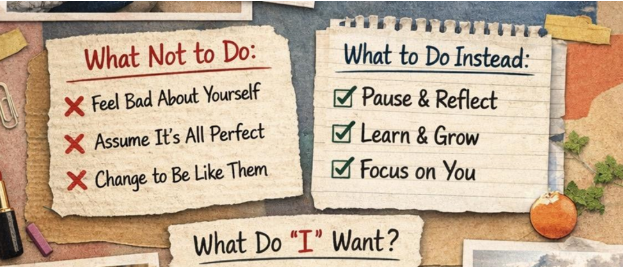
Ultimately, mistakes will happen because they come with becoming a better speaker. Every time you do a presentation, it will reduce the fear that comes with the next one because slowly your brain will learn that it is not a dangerous situation. Avoid judging yourself afterwards, instead identify the things you did well and one thing to improve. Seeing growth in public speaking takes time. True confidence does not appear before the practice and experiences; it will appear because of the experience.